
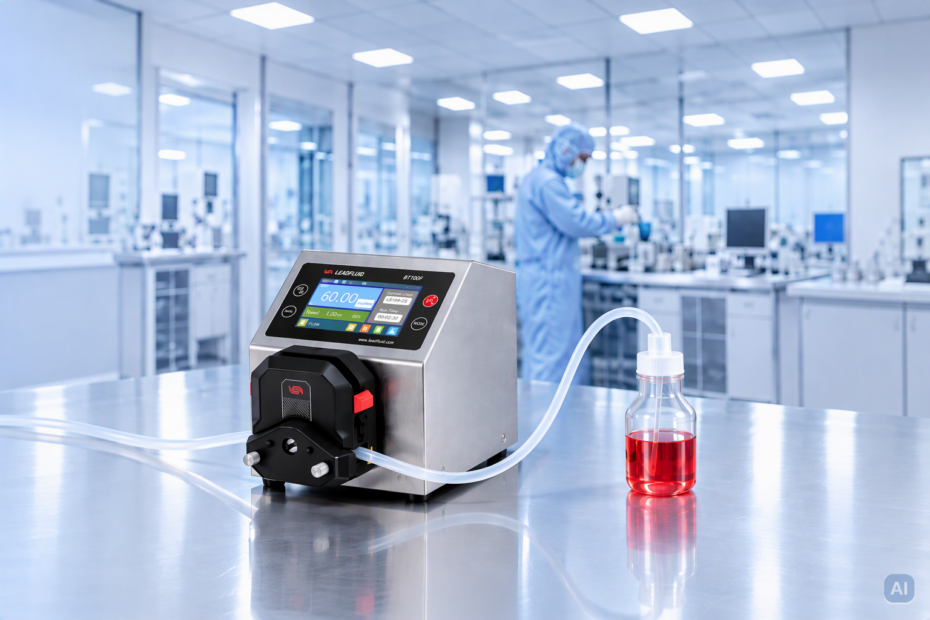
In industries such as biopharmaceutical manufacturing, vaccine production, cell culture, in vitro diagnostics (IVD), and aseptic filling, preventing contamination during fluid transfer is a critical concern. Thanks to their unique operating principle and excellent hygienic properties, peristaltic pumps have become a preferred solution for sterile fluid handling applications.
One of the key advantages of a peristaltic pump is that the fluid only comes into contact with the tubing. During operation, rotating rollers compress a flexible tube to create a peristaltic motion, which moves fluid through the system. Because the liquid remains entirely within the tubing, it never contacts the pump housing, rotor, or other mechanical components. This fully isolated transfer method significantly reduces the risk of cross-contamination and makes peristaltic pumps an excellent choice for applications requiring the highest levels of cleanliness.
Compared with many other pumping technologies, peristaltic pumps allow users to establish a closed fluid path. Sterilized tubing, aseptic connectors, and single-use bioprocess bags can be integrated into the system, creating a completely enclosed transfer process from fluid preparation to final filling. This closed-loop design minimizes exposure to the external environment and reduces contamination risks caused by manual handling.
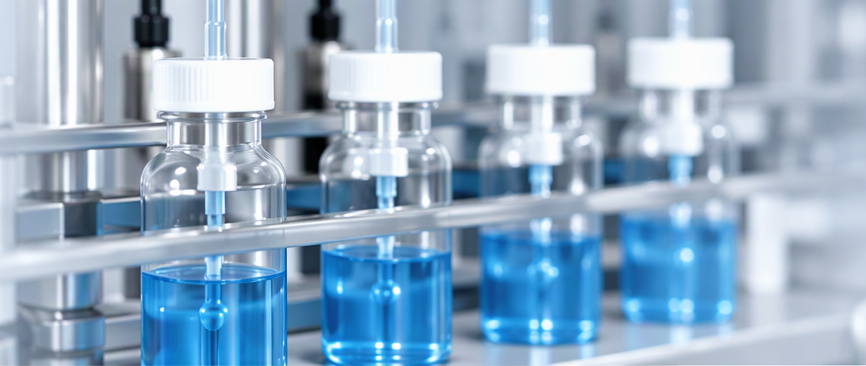
Another major benefit is compatibility with single-use fluid systems (SUS). As the biopharmaceutical industry increasingly adopts disposable components to improve flexibility and reduce validation requirements, peristaltic pumps have become an essential technology. When production batches change, operators can simply replace the tubing with a new pre-sterilized set instead of performing extensive cleaning and sterilization procedures. This approach saves time, lowers operating costs, and improves manufacturing efficiency.
For sensitive products such as cells, proteins, vaccines, and other biological materials, shear stress during transfer can negatively affect product quality. Peristaltic pumps provide low-shear, gentle fluid handling, helping maintain cell viability and preserve the integrity of delicate biomolecules. This makes them particularly suitable for cell culture feeding, media transfer, buffer delivery, and aseptic filling processes.
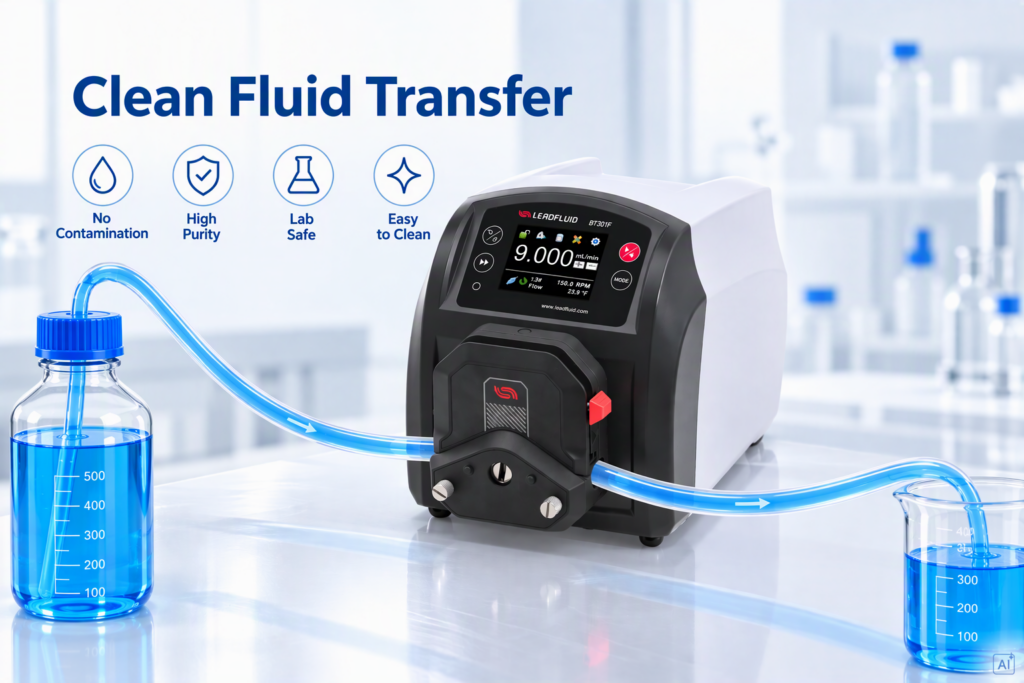
As a leading manufacturer of fluid transfer and dispensing solutions, Lead Fluid has been serving customers in biotechnology, pharmaceuticals, diagnostics, laboratories, and industrial applications worldwide. Lead Fluid’s peristaltic pumps are designed to support sterile processing requirements by offering precise flow control, reliable operation, and compatibility with single-use tubing systems. These features help users build flexible and contamination-free fluid handling processes while meeting the demanding standards of modern biopharmaceutical production.
In addition to their hygienic advantages, modern peristaltic pumps offer easy maintenance, support for CIP (Clean-in-Place) and SIP (Sterilize-in-Place) procedures, and seamless integration with automated control systems. Advanced pumps can communicate with PLC, SCADA, and MES platforms, enabling precise flow control, real-time monitoring, and production traceability in GMP-compliant manufacturing environments. Lead Fluid also provides a wide range of pump drives, pump heads, tubing options, and OEM solutions that can be tailored to different sterile fluid transfer applications.
As the biopharmaceutical and life science industries continue to grow, the demand for reliable sterile fluid transfer solutions is increasing rapidly. With their closed fluid path, contamination-free operation, compatibility with single-use technologies, and gentle handling of sensitive products, peristaltic pumps have become an indispensable tool in sterile processing and will continue to play a vital role in future bioprocessing and pharmaceutical production. By combining precision, reliability, and hygienic design, Lead Fluid helps researchers, equipment manufacturers, and pharmaceutical companies achieve safe and efficient fluid transfer in critical applications.