
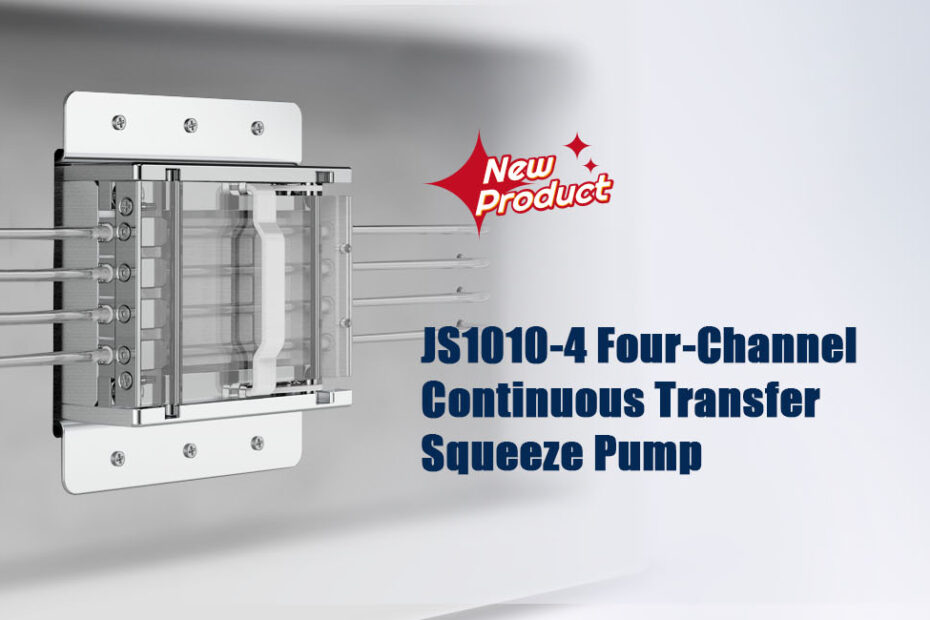
In a fully automated chemiluminescence immunoassay (CLIA) analyzer, the waste disposal system rarely attracts attention. Unlike the sampling system that directly affects dosing accuracy or the detection system that determines analytical results, its job is straightforward—continuously removing waste liquid generated during reaction and washing processes.
However, in real-world operation, the waste pump often has a significant impact on maintenance efficiency.
* Tube replacement
* Flow recalibration
* Channel adjustment
Each task may seem minor on its own. Yet when performed repeatedly, they lead to increased downtime, manual intervention, and even on-site service visits. Although the waste pump is a small component, it can become a hidden driver of long-term maintenance costs.
The Challenge with Conventional Rotary Peristaltic Pumps
Most IVD instruments today use multi-channel rotary peristaltic pumps. This mature technology keeps the fluid in contact only with the tubing and performs well in waste transfer applications.
However, under the short-cycle, high-frequency, intermittent operating conditions common in CLIA analyzers, the rollers continuously compress the tubing, accelerating fatigue and deformation over time. This can result in:
* Accelerated tubing aging and more frequent replacement
* Gradual flow degradation requiring more frequent recalibration
* Reduced consistency between channels
* Greater dependence on manual tubing replacement and calibration, increasing after-sales service costs
For instrument manufacturers, the goal is clear: extend tubing service life, reduce calibration frequency, minimize manual intervention, and maximize maintenance-free operating time.
JS1010-4: From Repeated Compression to Gentle Squeezing
The Lead Fluid JS1010-4 Four-Channel Continuous Transfer Squeeze Pump introduces an innovative pumping principle based on a dual-valve structure with a central compression block. Unlike conventional rotary peristaltic pumps, it delivers continuous and stable fluid transfer without completely occluding the tubing, effectively reducing abnormal tubing wear while minimizing tubing replacement and flow degradation.
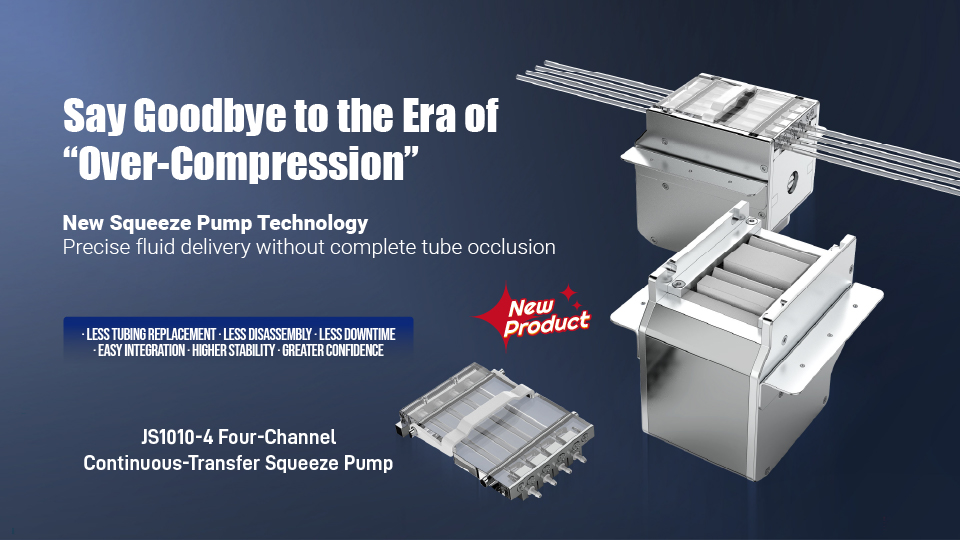
Less Tubing Replacement: Lower Maintenance Costs
In IVD systems, every tube replacement means instrument downtime, disassembly, and recalibration.
Thanks to its innovative squeeze mechanism, the JS1010-4 significantly reduces abnormal tubing wear, dramatically extending tubing service life and lowering manufacturers’ after-sales maintenance costs.
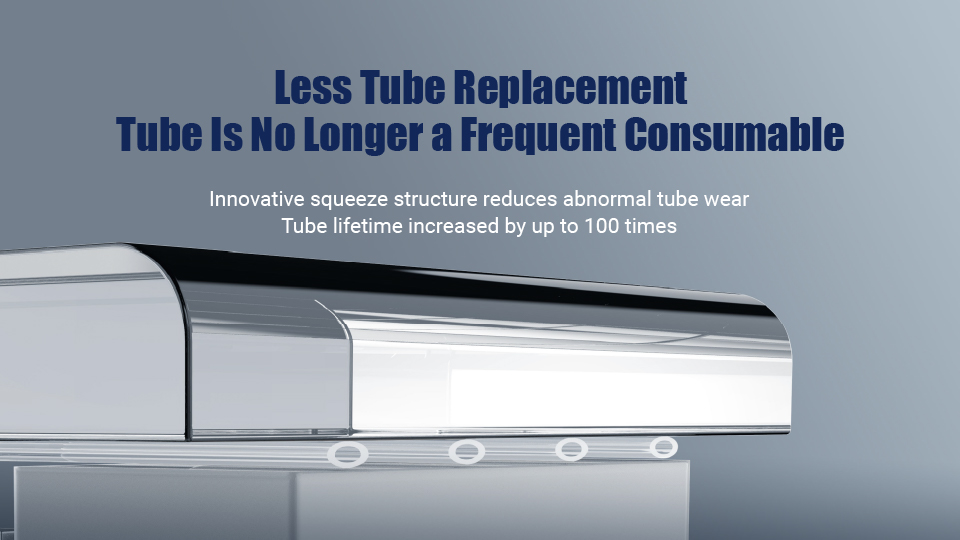
Less Calibration: Long-Term Stability
Compared with the continuous roller compression of conventional peristaltic pumps, the JS1010-4 operates with lower compression force, resulting in smaller flow variation and slower flow degradation. This reduces calibration frequency while ensuring stable long-term waste transfer performance.
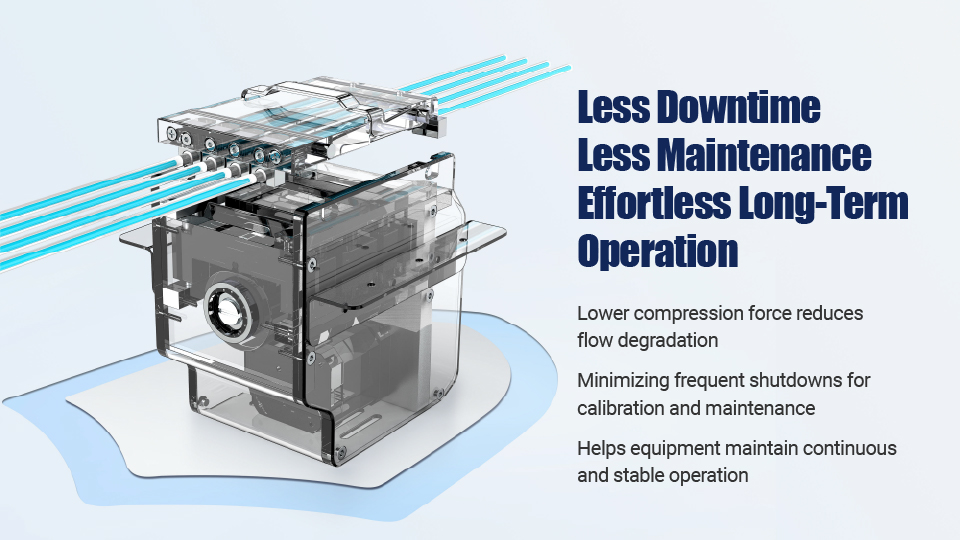
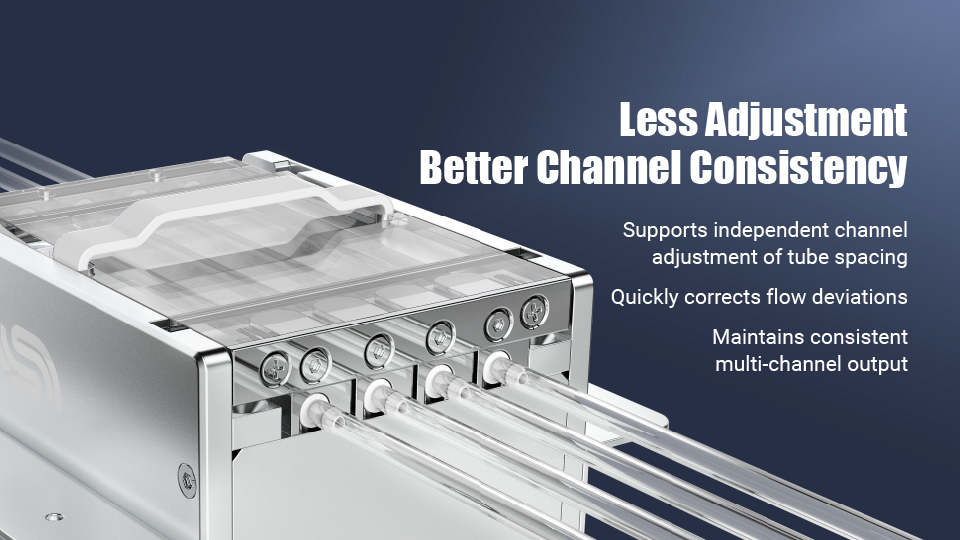
Less Adjustment: Better Channel Consistency
Independent channel spacing adjustment allows rapid correction of flow deviations while maintaining consistent flow performance across all channels.
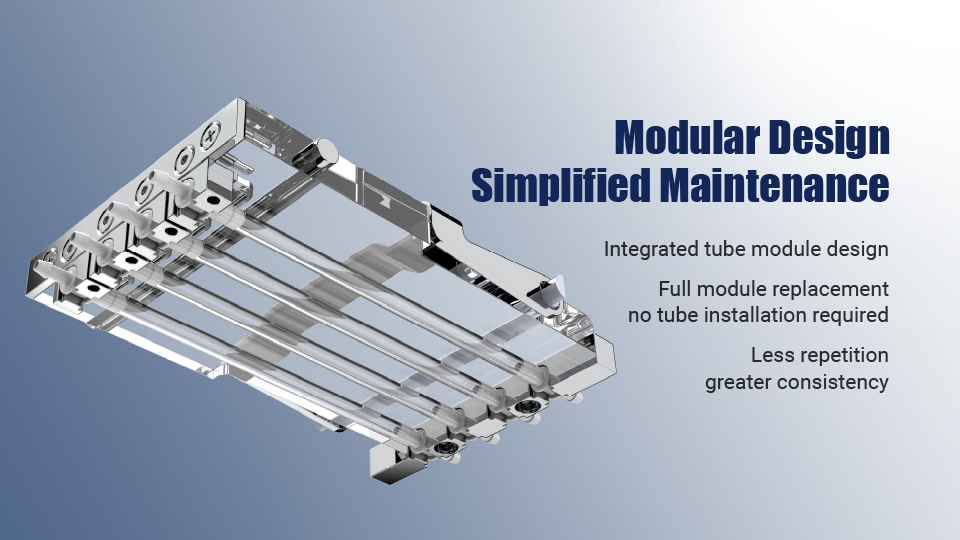
Less Disassembly: Modular Design for Easier Maintenance
The integrated tubing module can be replaced as a complete assembly, eliminating individual tubing installation and reducing repetitive maintenance procedures as well as operator variability.
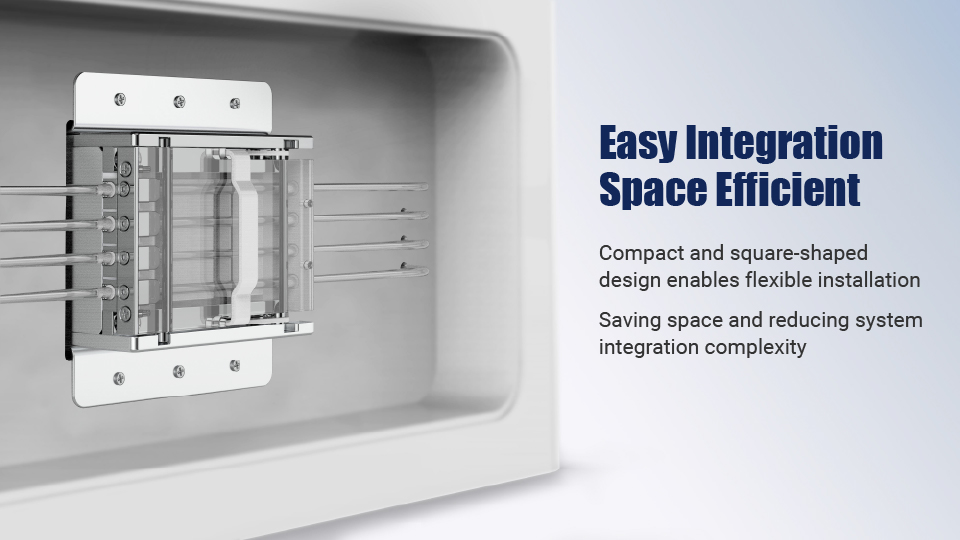
Easy System Integration
Its compact, square-profile design offers flexible installation, saves valuable system space, and simplifies equipment integration.
Visible Operation for Greater Confidence
A transparent top cover provides a clear view of pump operation, making commissioning, routine maintenance, and troubleshooting faster and more efficient.
Although the waste pump is a relatively small component within a CLIA analyzer, it is one of the hidden contributors to long-term maintenance costs.
For instrument manufacturers, the real challenge is not simply replacing tubing—it is reducing the downtime, recalibration, manual intervention, and on-site service visits associated with routine maintenance.
The Lead Fluid JS1010-4 Four-Channel Continuous Transfer Squeeze Pump offers a new approach to waste liquid transfer through its gentler squeezing mechanism. By minimizing abnormal tubing wear and reducing flow degradation, it provides a smarter solution for CLIA waste disposal systems:
Less tubing replacement. Less calibration. Less manual intervention. Fewer service visits.
More reliable waste transfer. Greater peace of mind throughout the product lifecycle.