
+86-312-6770711 master@leadfluid.com

Biopharmaceuticals may seem far removed from everyday life, yet many familiar medicines rely on them—from the insulin used daily by people with diabetes, to vaccines for infants, and monoclonal antibody therapies for certain cancer patients.
Unlike conventional small-molecule pharmaceuticals, biopharmaceuticals are typically produced using living cells or microorganisms. Their molecular structures are more complex and inherently more sensitive. Temperature, shear stress, material compatibility, and even subtle environmental changes can affect their stability and biological activity.
More importantly, many biologics cannot withstand terminal sterilization methods such as high-temperature steam or irradiation without risking denaturation, aggregation, or loss of activity.
For this reason, sterility must be maintained throughout the entire manufacturing process—including the product, containers, equipment, production environment, and operator activities.
Sterility in biopharmaceutical manufacturing is not achieved by final testing—it is built into every step of the production process.
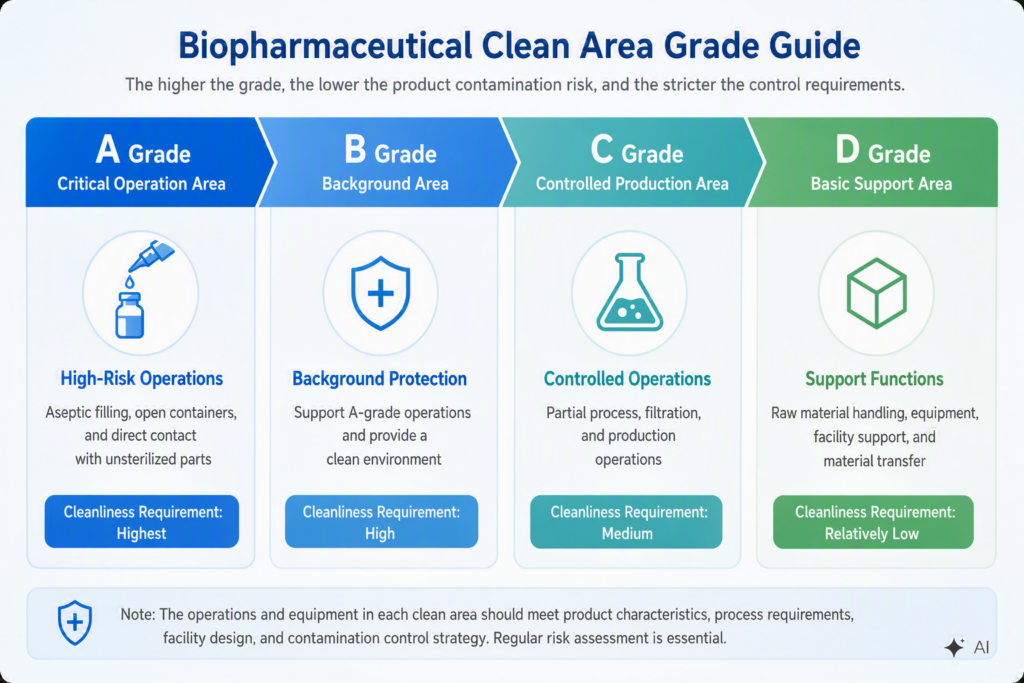
Different manufacturing operations present different contamination risks. In general, the greater the product exposure, the higher the contamination risk—and the stricter the cleanroom requirements.
Critical processes such as aseptic filling and open-container operations are typically performed in Grade A environments.
However, a Grade A environment alone does not guarantee sterility.
Equipment condition, material handling, and operator intervention can all become potential sources of contamination.
Therefore, aseptic filling equipment must do more than simply perform its filling task—it must operate reliably, be easy to maintain, and minimize unnecessary manual intervention.
The stricter the cleanroom, the more stable the equipment must be.
Peristaltic pumps are widely used in aseptic filling because the product contacts only the tube.
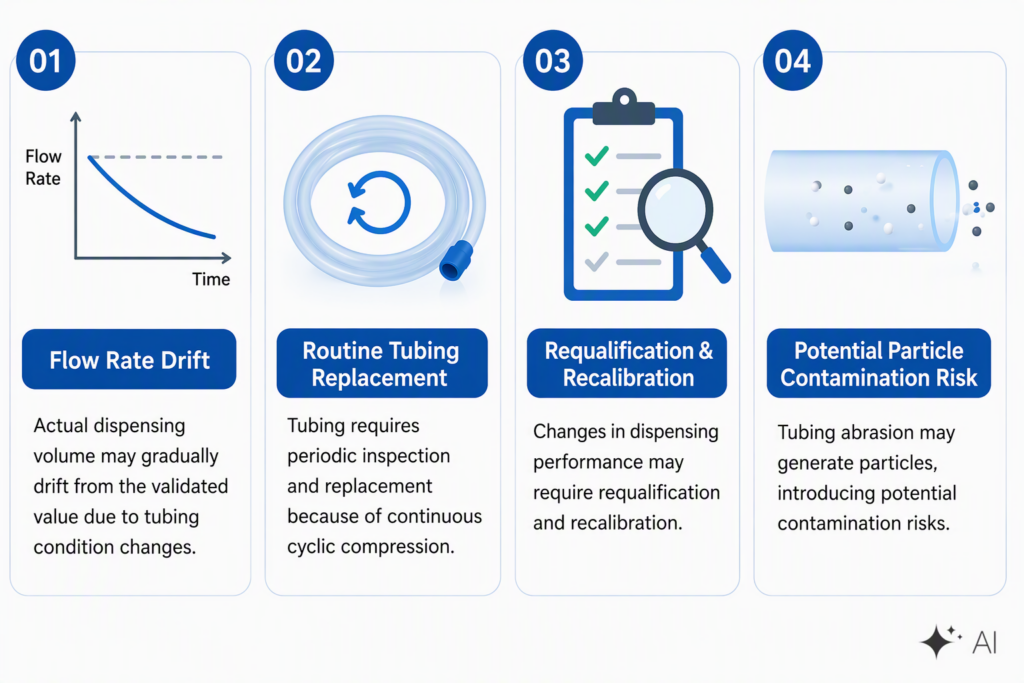
However, conventional rotary peristaltic pumps rely on rollers repeatedly compressing the tube. As operating time increases, the tube gradually changes, leading to a series of issues:
⚠️In conventional filling, these are hidden operating costs.In aseptic filling, they directly affect production continuity and contamination control.
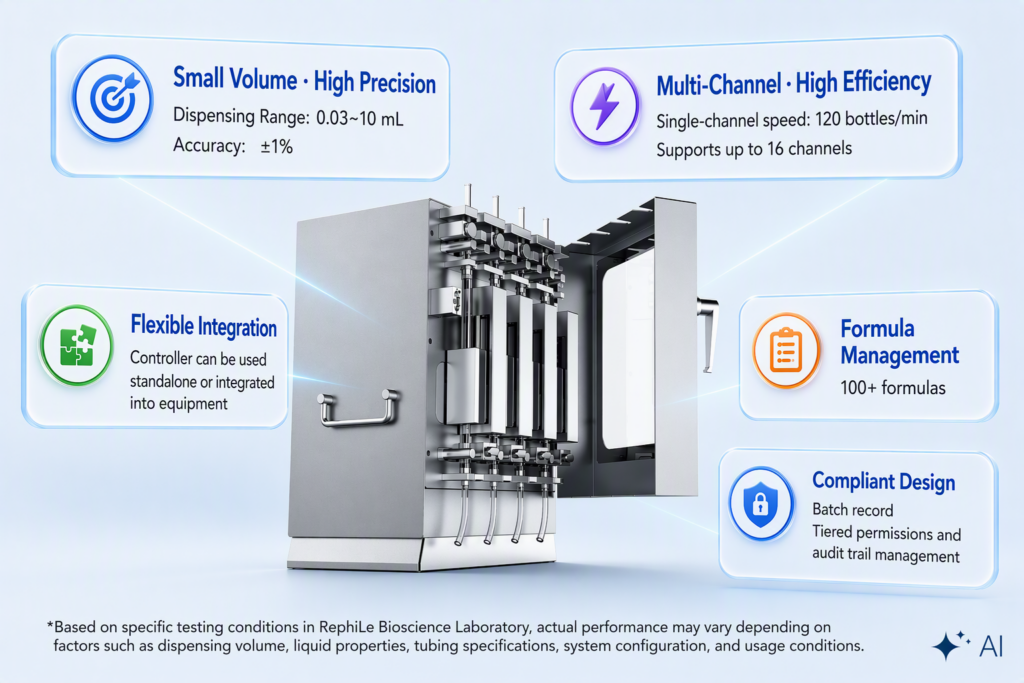
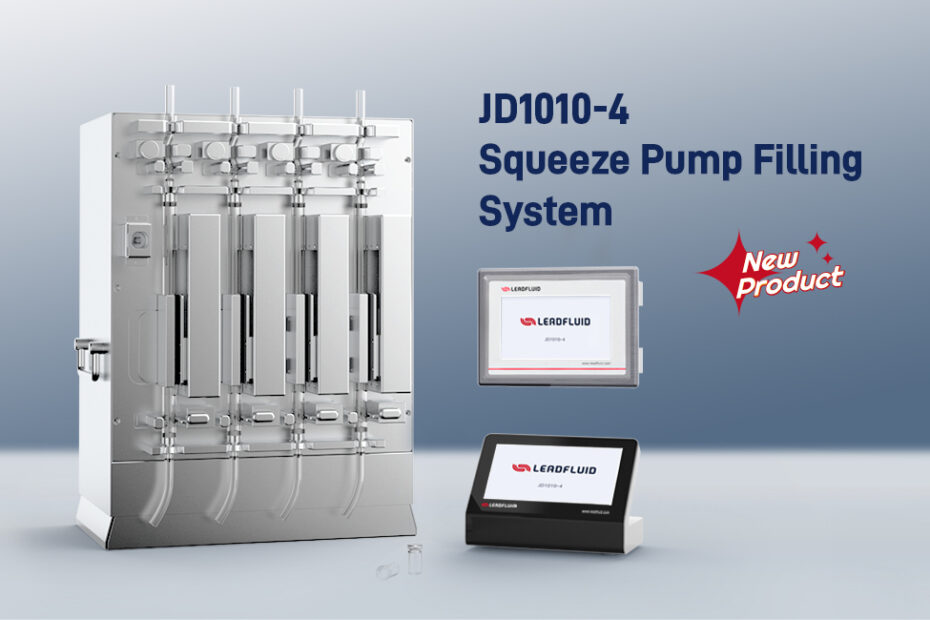
To address these challenges, the Lead Fluid JD1010-4 Squeeze Pump Filling System introduces a new pumping approach.
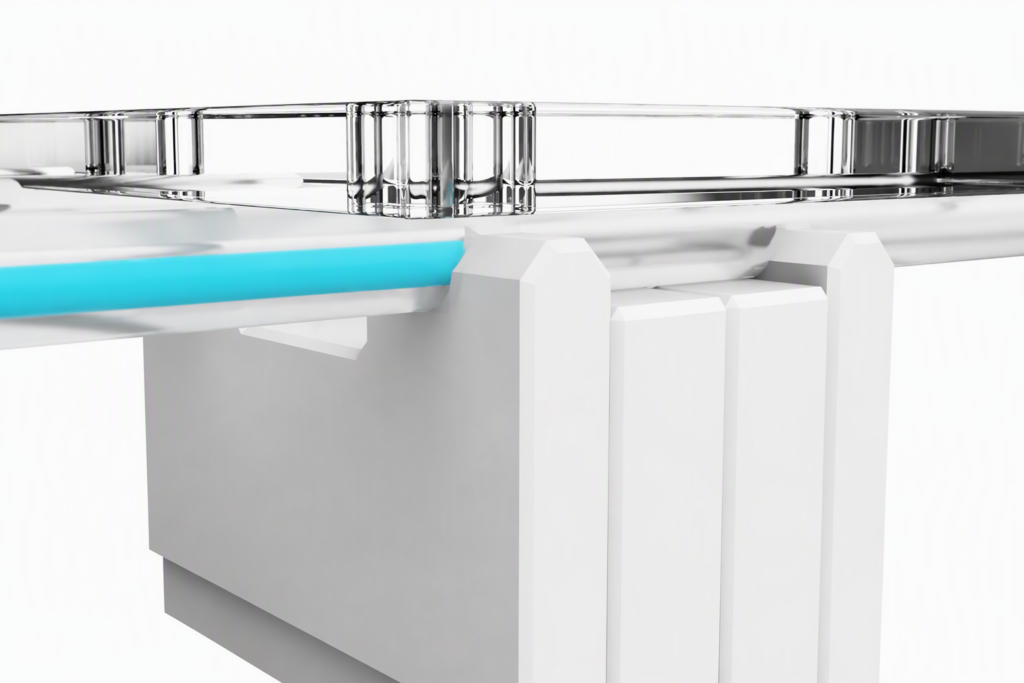
(Squeeze Pump Operating Principle)
Instead of completely occluding the tube, the system utilizes an innovative dual-valve structure combined with a central compression block, enabling precise filling while significantly reducing unnecessary tube compression.
A change in pumping method brings a series of operational benefits.
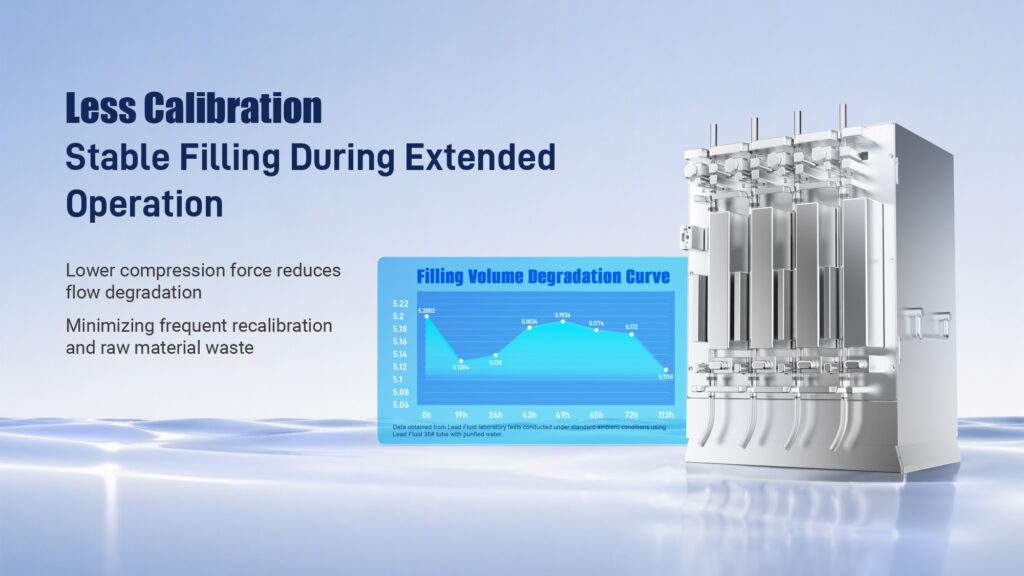
1.Reduced Flow Degradation
Slower changes in tube condition extend the stable operating period after calibration, reducing repeated verification and recalibration caused by filling volume drift.
2.Less Tube Replacement and Maintenance
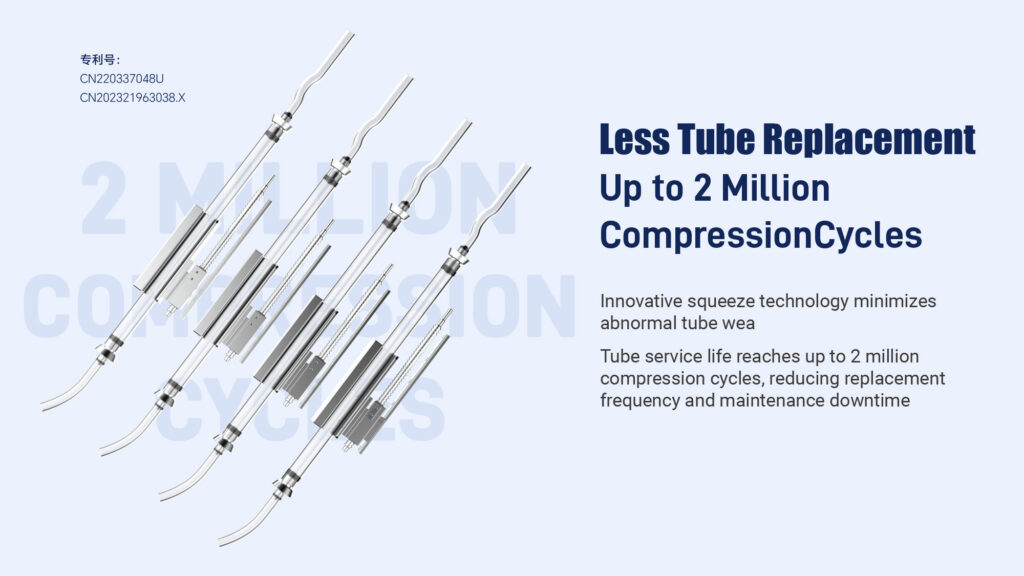
Reduced tube stress extends tube service life and lowers maintenance requirements.
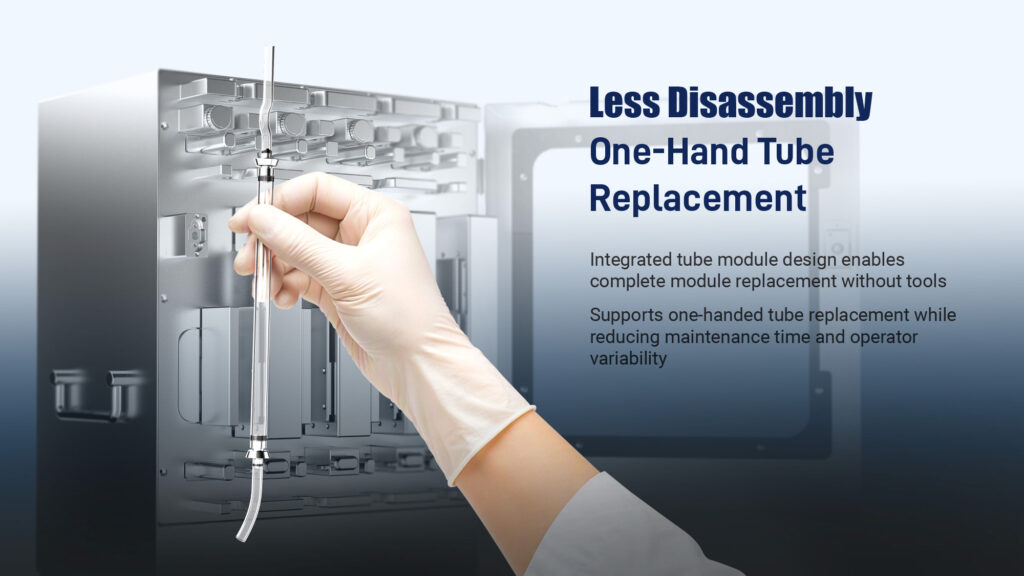
The integrated tube module can be replaced as a complete assembly without special tools, simplifying maintenance and reducing operator variability.
3.Lower Risk of Particle Generation
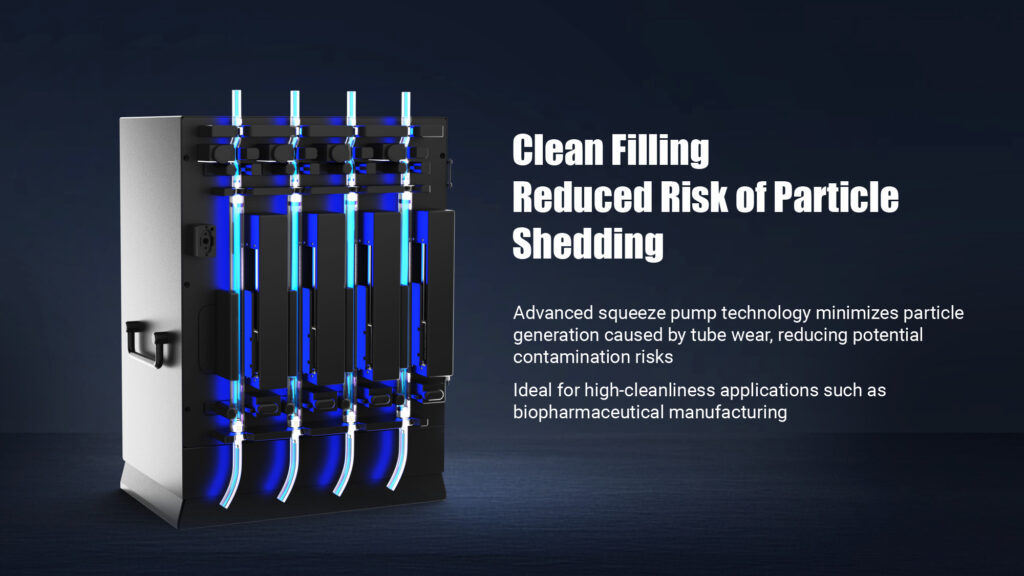
Without continuous full tube occlusion, abnormal tube wear is minimized, helping reduce the potential for particle shedding and making the system better suited for high-cleanliness biopharmaceutical applications.
4. Cleaner Filling Results
A fully mechanical suck-back mechanism minimizes dripping and stringing after each filling cycle, ensuring clean start-stop operation.
5. Advanced Filling Performance
Reducing unnecessary manual intervention and minimizing process interruptions are themselves important contributions to aseptic filling.
Aseptic filling demands more than high accuracy—it requires long-term process stability.
Reduced flow degradation, fewer tube replacements, less maintenance, and fewer recalibrations may seem like incremental improvements, but together they create a more continuous, reliable, and efficient production process.
By adopting a gentler pumping mechanism, the Lead Fluid JD1010-4 minimizes tube condition changes at their source, reducing the chain reaction that can compromise long-term filling consistency.
Stability is more than a performance metric—it is the foundation of reliable aseptic filling.