
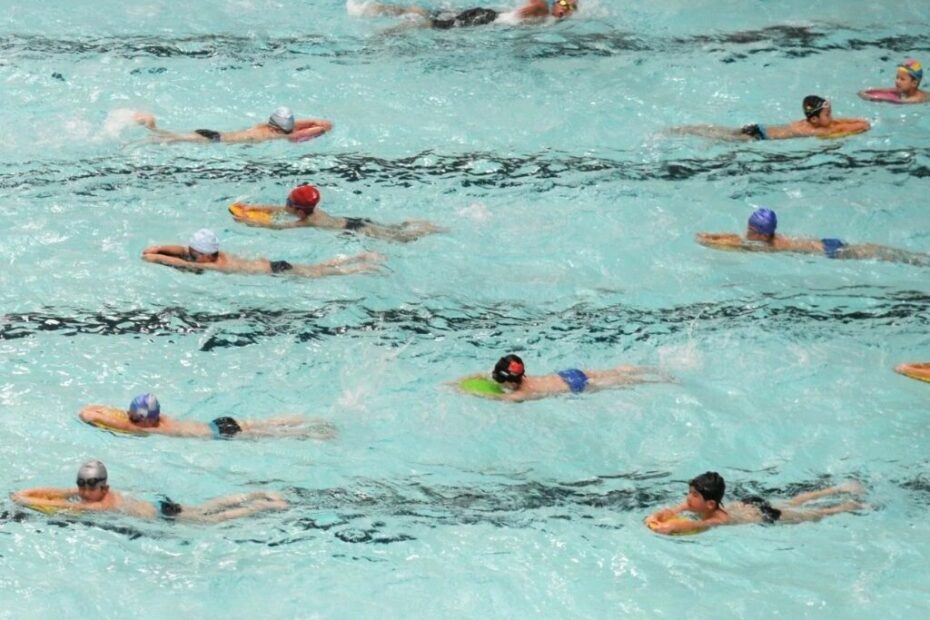
When summer arrives, swimming pools become lively again.
Jumping into the cool water – comfortable, relaxing.
That’s probably the joy summer should bring.
But one question cannot be ignored –Is the water clean?
The water in a pool may look blue, but is it really clean?
Not necessarily!
The Importance of Disinfection
As more people use the pool, contaminants such as sweat and oils are continuously introduced. Combined with high temperatures and frequent use, the burden of water quality management increases. Without proper attention, issues such as turbidity or abnormal microbiological indicators may arise. To maintain stable water quality, circulation and filtration alone are not enough – disinfection is equally critical.
In pool water disinfection, sodium hypochlorite is widely used due to its high bactericidal efficiency and relatively low operating cost. However, its strong oxidizing properties and certain corrosiveness impose higher requirements on the material compatibility, delivery stability, and subsequent maintenance of dosing equipment.
Pool Water Disinfection
In pool dosing systems, the KJ2532 is typically used to deliver sodium hypochlorite disinfectant. It works in conjunction with online water quality instruments (pH/ORP/residual chlorine monitors) and, through a control system, achieves threshold-triggered dosing.
Simply put, this is a closed-loop control process: “water quality changes → automatic on-demand dosing → balance restored.” This solution has become relatively mature and more efficient in practical projects.
For equipment manufacturers, the real concerns are:
Does the flow rate meet actual operating conditions?
Are the dimensions and structure compatible with existing equipment?
Is maintenance complicated?
In response to these issues, the KJ2532 has been designed with targeted improvements.
Lead Fluid KJ2532
Tube-based delivery reduces corrosion risk
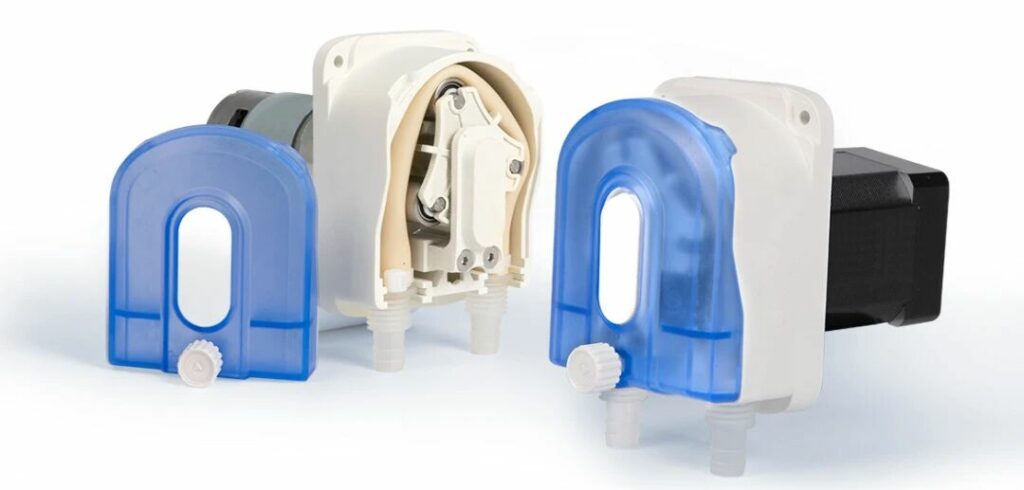
The peristaltic pump delivers fluid by compressing the tube with rollers. The liquid mainly flows inside the tube, minimizing direct contact with the pump body. When paired with chemically resistant tubing materials such as Pharmed, the risk of corrosion and leakage is reduced, making it suitable for long-term, stable delivery of sodium hypochlorite.
High flow rate with cost efficiency
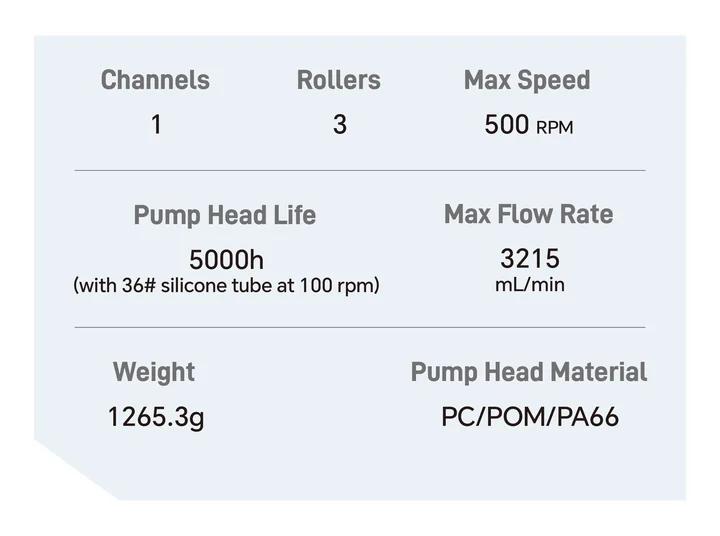
The KJ2532 achieves a maximum flow rate of 3215 mL/min, covering high-volume dosing requirements while balancing performance and cost – making it ideal for ODM batch integration.
Twist-to-open cover for easier maintenance
Water treatment equipment often runs for long periods, so daily inspection and maintenance should not be overly complicated.
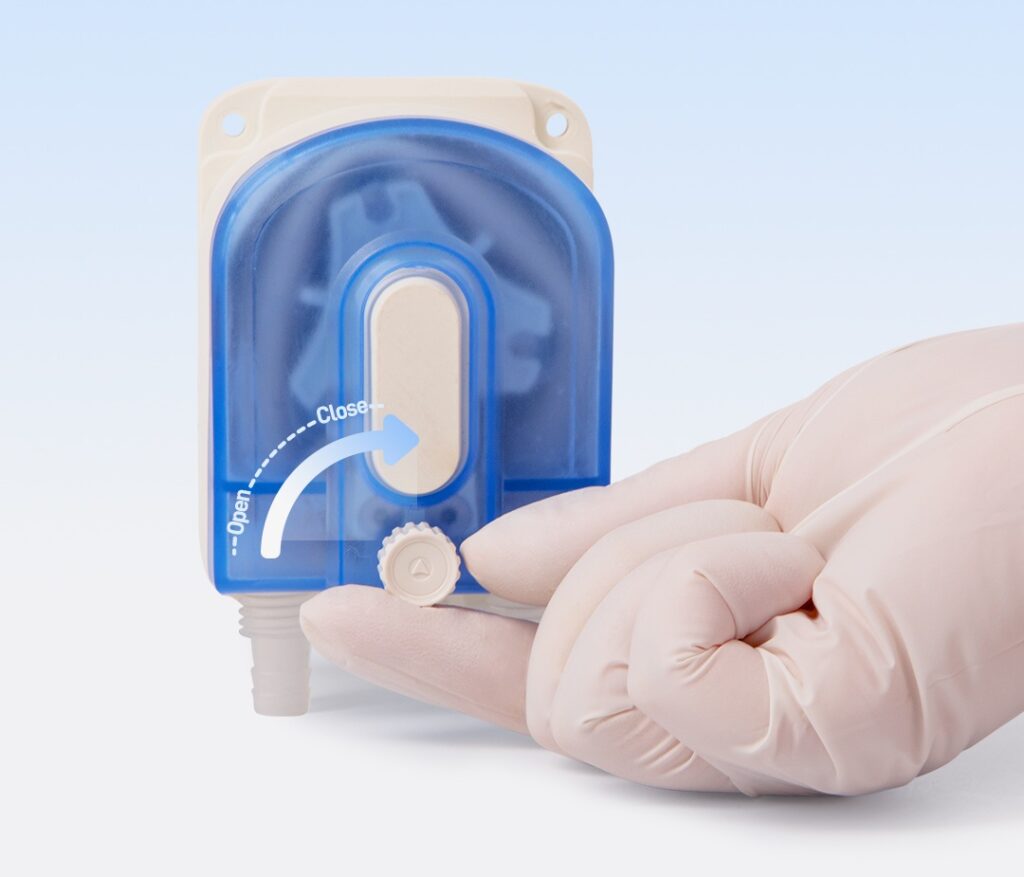
The KJ2532 features a twist-to-open cover design – one twist and lift to remove the cover, no complex disassembly, making inspection and maintenance more convenient.
Compact structure
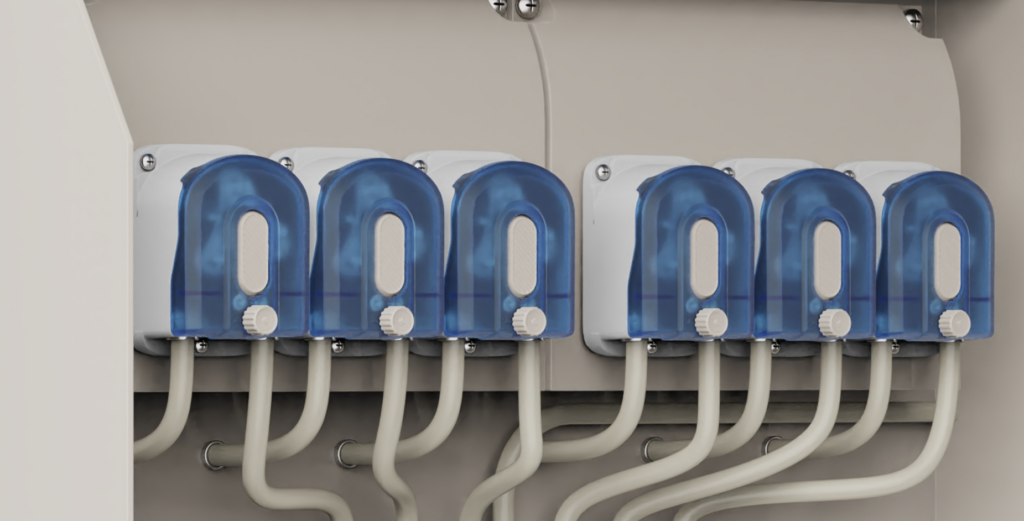
The KJ2532 adopts a compact structural design with features such as U-shaped configuration, same-direction tubing outlets, multi-head matrix mounting, and visible operation, facilitating layout and integration by equipment manufacturers based on overall machine space.
Multiple specification options
Different equipment solutions require different motor and tubing configurations.
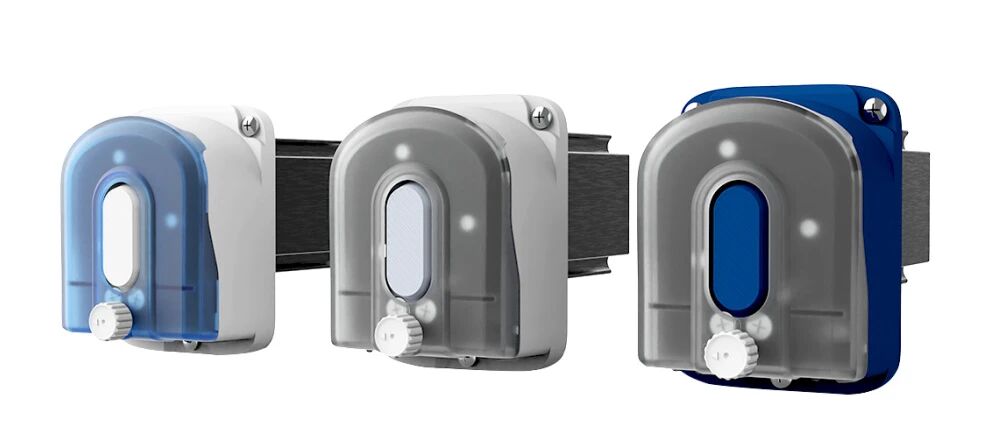
The KJ2532 is compatible with stepper and DC motors, and supports selection of various tubing materials and sizes.
More Than Just Delivery
A suitable fluid delivery component is never just about “moving liquid from A to B.” It also relates to stable operation, maintenance costs, equipment integration efficiency, and the overall performance of the complete system. With these practical applications in mind, the KJ2532 offers a professional, cost-effective solution for sodium hypochlorite dosing.
Please contact Lead Fluid for more product information and supporting solutions.。
Quick Tips for Assessing Pool Water Quality
Finally, for those planning to cool off at a pool, here are a few simple tips to get a rough idea of water quality – no professional testing required:
• Check the public notice board
Well-managed pools typically display water quality data in a conspicuous location. Pay attention to two key indicators: residual chlorine between 0.3 and 1.0 mg/L, and pH between 7.0 and 7.8. If the values fall within reasonable ranges, the water quality management is relatively standardized.
• Observe the water appearance
The water should be clear and transparent enough to see the bottom. If it appears greenish, whitish, turbid, or has obvious floating matter on the surface, be cautious.
• Smell the air
A pool may have a faint disinfectant odor, but it should not be pungent. If there is a strong, irritating smell even before you get close, or if it causes eye or nose discomfort, the water quality or ventilation may be suboptimal.
• Avoid peak hours
Try to avoid busy times. Choose early opening hours or less crowded periods for a generally better experience.