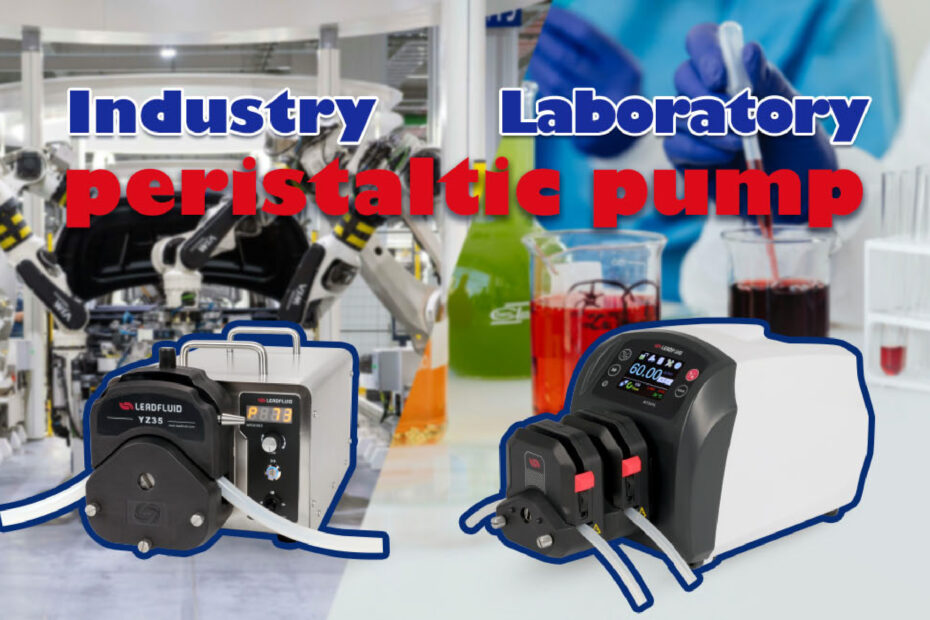
A peristaltic pump—also known as a hose pump or roller pump—enables precise, contamination-free fluid transfer with low shear force. Owing to these advantages, it is widely used in industrial production as well as laboratory applications. In real-world use, selecting the right peristaltic pump is essential. Below, we outline the key factors to consider when choosing a suitable peristaltic pump for industrial and laboratory environments.
Application Type
Application requirements are the first and most important consideration in pump selection.
Laboratory peristaltic pumps typically require low flow rates, high precision, and intermittent operation, and are commonly used in biotechnology, chemical analysis, and medical research.
Industrial peristaltic pumps, on the other hand, are designed for continuous operation, higher flow rates, and harsher working conditions, such as those found in chemical processing, water treatment, mining, and food & beverage industries.
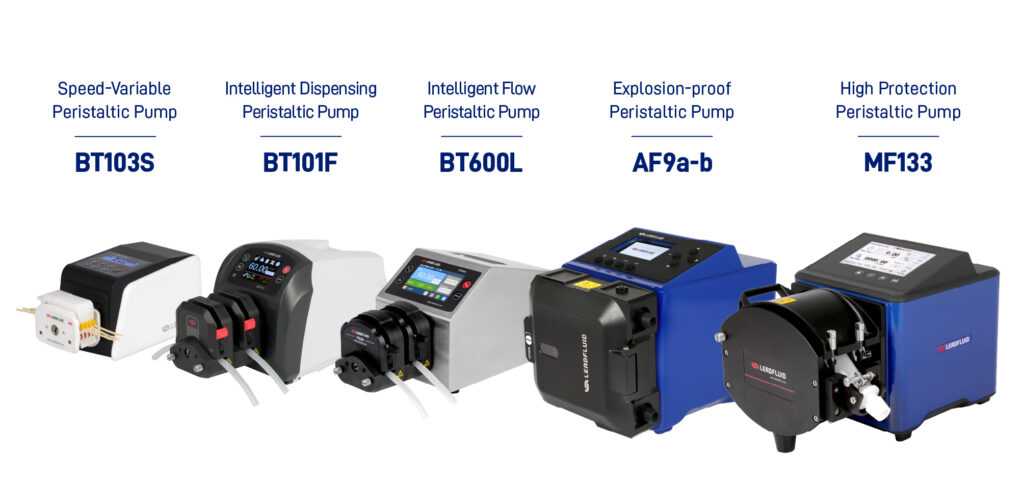
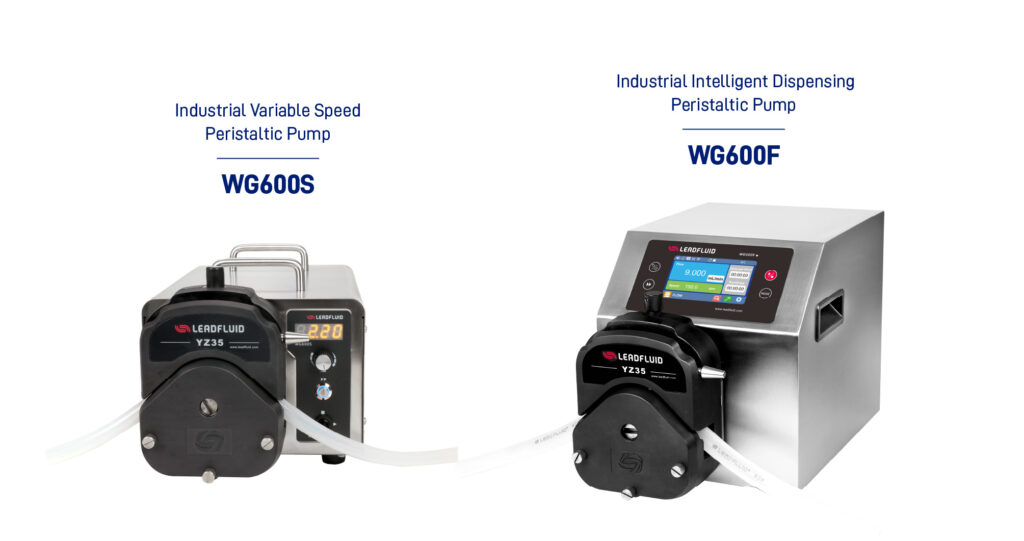
Based on the application type, users can determine the appropriate pump category, such as variable-speed peristaltic pumps, flow-controlled peristaltic pumps, dispensing peristaltic pumps, high-protection peristaltic pumps, or explosion-proof peristaltic pumps.
Flow Rate Range and Accuracy
Flow rate and accuracy are core factors in peristaltic pump selection. Many users focus on flow control performance, repeatability, and long-term stability when searching for a peristaltic pump.
Laboratory applications emphasize precise control at very low flow rates, while industrial applications place greater importance on flow stability, reliability, and consistency during long-term continuous operation.
Tubing Selection and Fluid Compatibility
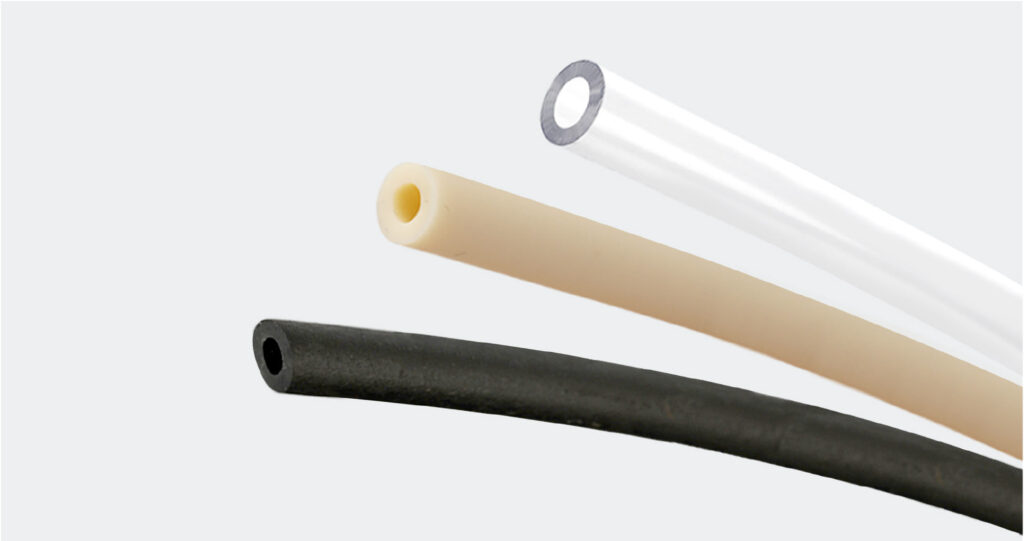
Tubing selection is another critical aspect. One of the key advantages of peristaltic pumps is their high level of fluid purity, as the liquid only comes into contact with the tubing.
The tubing material directly affects chemical compatibility, temperature resistance, and service life. When handling corrosive, high-viscosity, or high-purity fluids, selecting the appropriate tubing material and pump structure is just as important as choosing the pump itself.
Operating Environment and Working Conditions
Operating conditions should not be overlooked.
Laboratory peristaltic pumps typically require compact size, low noise, and easy maintenance.
Industrial peristaltic pumps, however, often need higher protection levels and structural strength, including resistance to dust, moisture, corrosion, and in some cases explosion-proof design, to ensure reliable operation in demanding environments.
ODM Customization for Specialized Requirements
When standard peristaltic pumps cannot meet specific application needs, working with a professional ODM peristaltic pump manufacturer is an efficient solution.
ODM services allow customization of pump heads, control methods, motor types, communication interfaces, and other key parameters to match exact operating requirements.
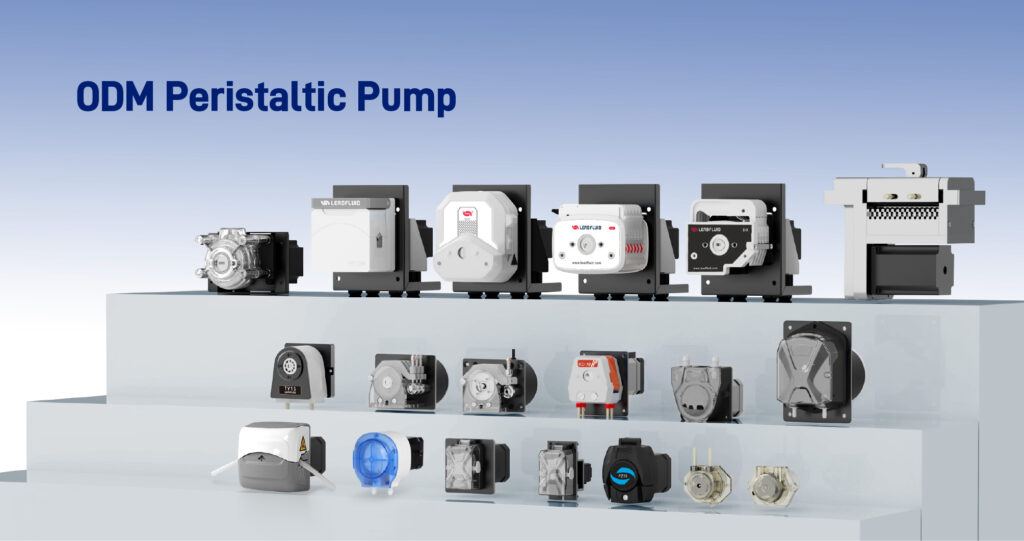
Lead Fluid has long provided ODM/OEM solutions for laboratory and industrial peristaltic pumps to customers worldwide. With extensive experience in stability, reliability, and large-scale delivery, Lead Fluid offers tailored fluid transfer solutions for diverse applications.
Conclusion
In summary, scientifically selecting the right peristaltic pump not only improves operational efficiency but also ensures safety and accuracy throughout the fluid transfer process. By carefully considering application type, flow requirements, tubing selection, operating environment, and customization needs, users can achieve optimal performance in both industrial and laboratory settings.