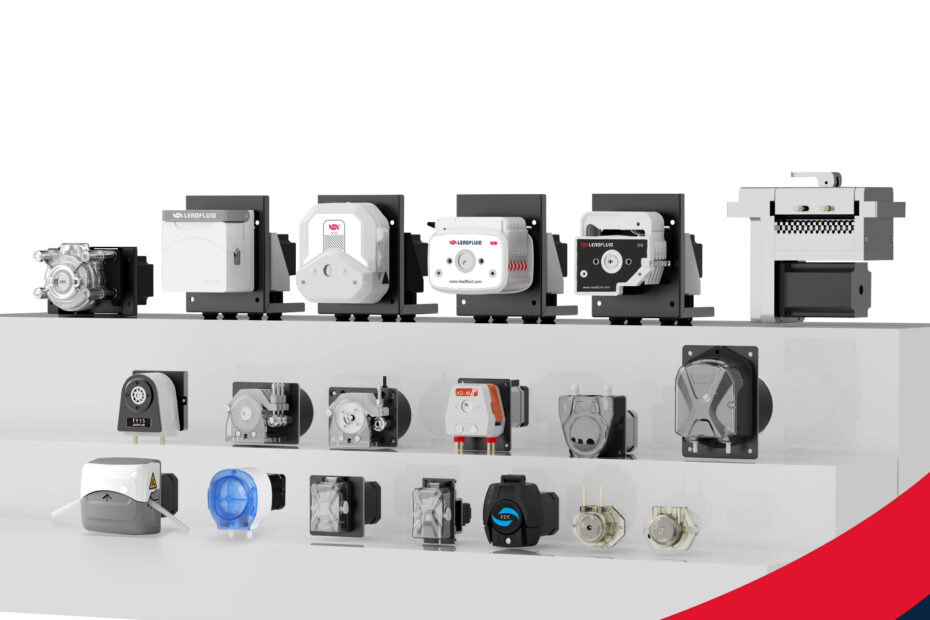
As equipment integration and system matching become increasingly sophisticated, more and more customers are opting for OEM customized peristaltic pumps to meet specific operating conditions and structural requirements. Compared with standard products, OEM customization places greater emphasis on precise parameter matching and long-term operational stability. Therefore, clearly defining the core parameters at the early stage of a project is particularly critical.
Flow Rate and Speed Range
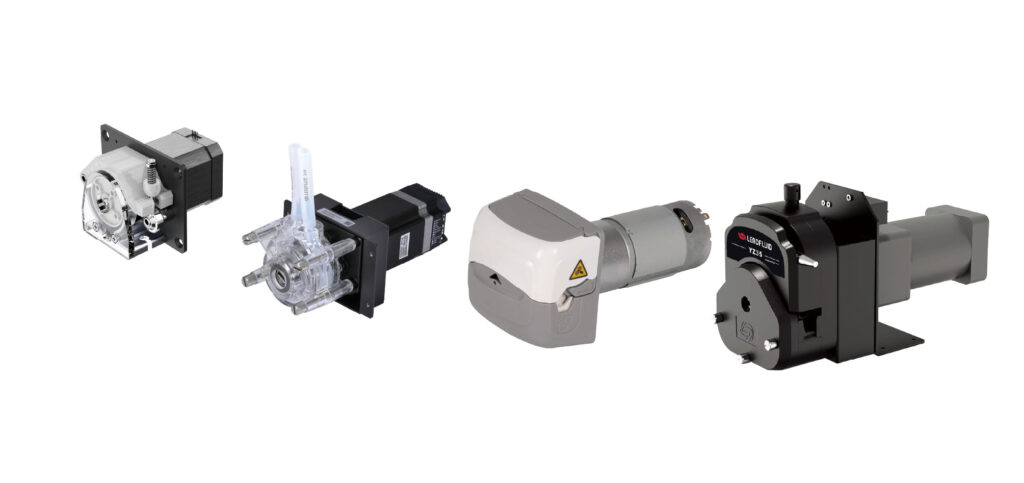
The first key consideration is the required flow rate and speed range. Customers should clearly define the actual flow range, speed control accuracy, and operating mode (continuous or intermittent) for their application. These factors directly determine the selection of the pump head and motor configuration. With years of experience in the peristaltic pump industry, Lead Fluid is able to offer a wide variety of pump head designs and drive solutions, providing greater flexibility for optimal system matching.
Tube Specifications and Material Selection
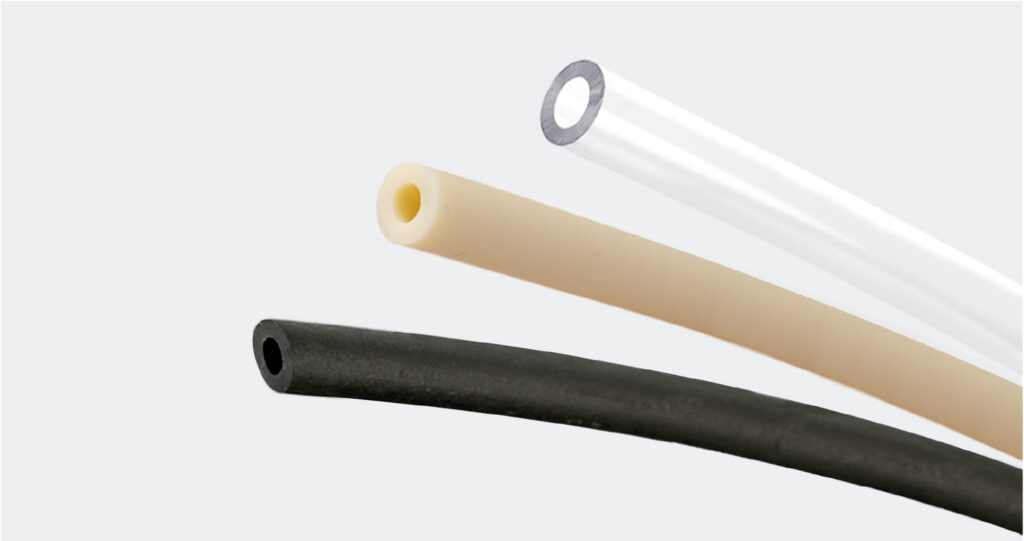
The second important factor is the specification and material of the tubing. Tube inner diameter, wall thickness, and material directly affect flow accuracy, pressure resistance, and service life. In industries such as pharmaceuticals, food processing, and biological laboratories, safety and consistency are critical. In contrast, chemical and environmental applications place more emphasis on corrosion resistance. Lead Fluid supports multiple standard tubing specifications and can assist customers in selecting or customizing tubing materials based on the specific characteristics of the fluid being transferred.
Drive and Control Methods
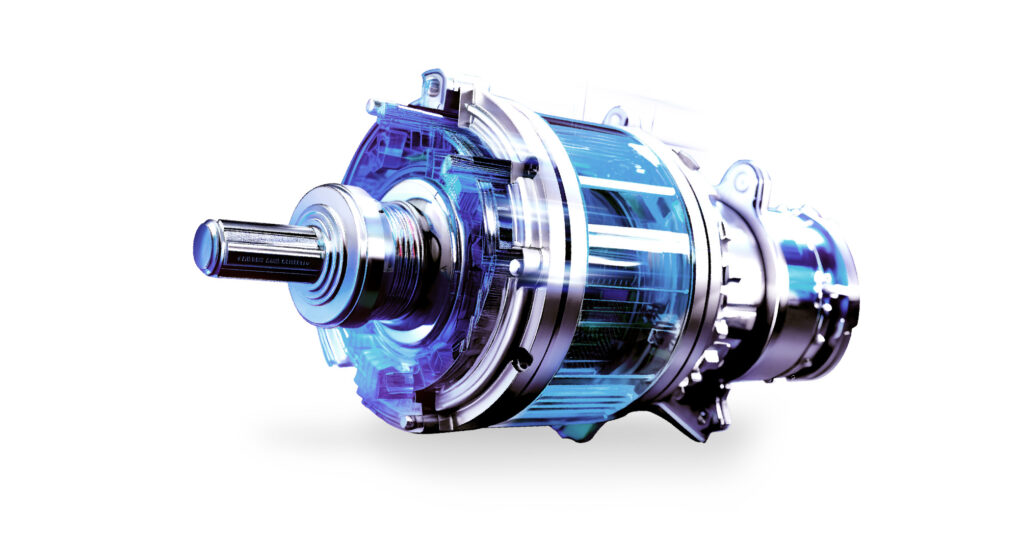
Drive and control compatibility is another essential aspect of OEM customization. Most OEM customers require seamless integration of the peristaltic pump into their existing control systems. As a result, motor type, voltage level, and control signal formats—such as PWM, 0–10V, or RS485—must be confirmed in advance. Lead Fluid’s OEM solutions offer strong compatibility in control interfaces and communication protocols, greatly facilitating system integration.
Installation Structure and Operating Environment
In addition, installation requirements and operating conditions should not be overlooked. These include mounting dimensions, protection ratings, and any required certifications. Thorough communication during the solution design stage can significantly shorten development cycles and reduce the risk of costly modifications at later stages.
Conclusion
Overall, OEM customization of peristaltic pumps is a systematic engineering process. Choosing a partner with proven technical expertise and extensive customization experience can greatly improve project efficiency and ensure reliable, long-term operation of the equipment.