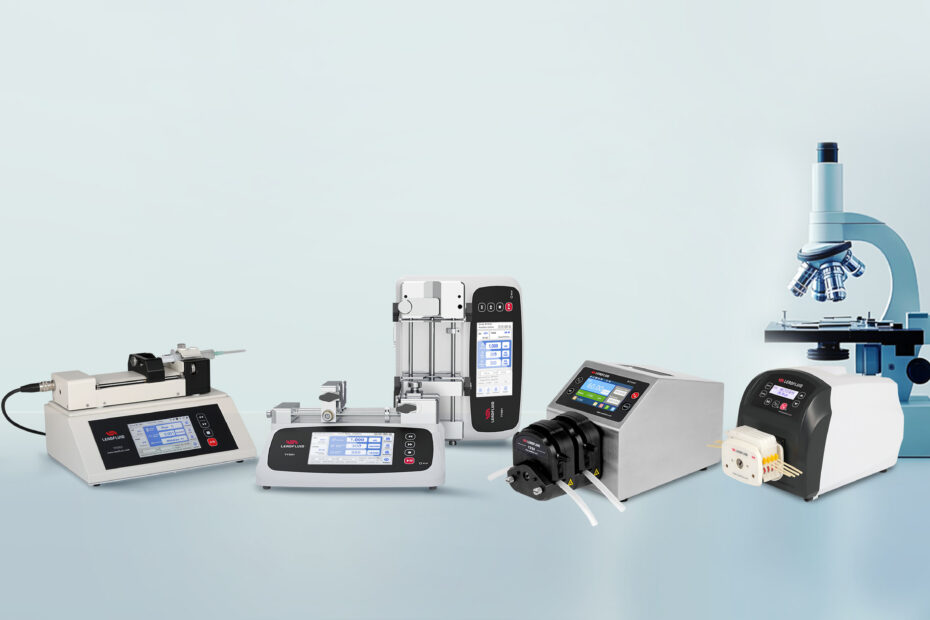
In the field of precise fluid control, peristaltic pumps and syringe pumps are two commonly used types of delivery equipment. They are widely applied in medical, scientific research, and industrial settings. However, due to differences in working principles and performance characteristics, selecting the right device requires understanding their distinctions. So, what exactly sets these two types of pumps apart? This article provides a brief overview.
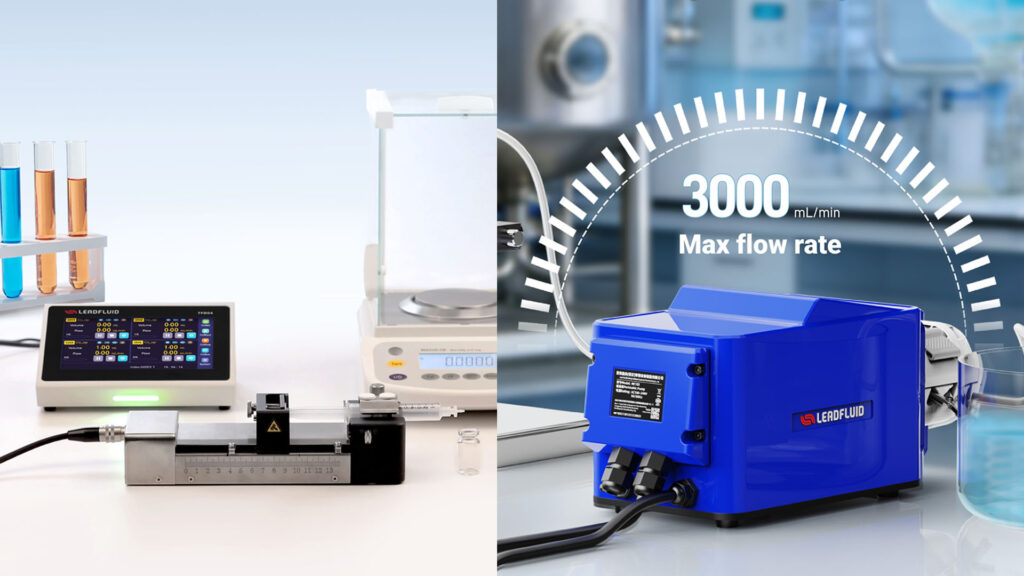
First, in terms of operating principles, a peristaltic pump delivers fluid by using rollers to compress and release a flexible tube, pushing the fluid forward inside the tube. In contrast, a syringe pump pushes fluid by driving the plunger of a syringe with a motor to achieve precise liquid output. Because of this difference, the two pumps vary significantly in consumables and flow stability. Peristaltic pumps allow the fluid to remain isolated within the tubing without contacting the pump body, making cleaning simple and ideal for applications requiring high purity or frequent fluid changes. Syringe pumps, on the other hand, excel at precise micro‑flow control, making them suitable for research experiments where even the slightest change in flow rate matters.
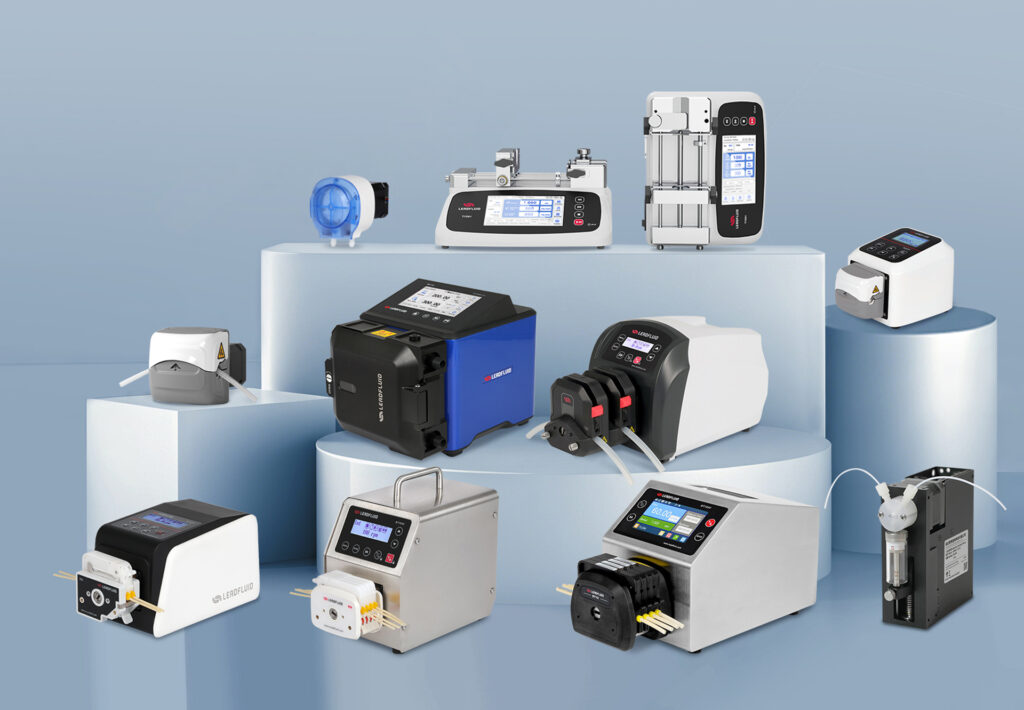
Second, regarding flow range and application scenarios, peristaltic pumps generally support higher flow rates and are capable of long‑term continuous operation. They are commonly used in industrial production lines, environmental monitoring, and bioengineering. Syringe pumps are better suited for low‑flow, low‑speed, short‑distance delivery, such as in cell experiments, drug infusion, and microfluidic systems. When extremely low and stable flow rates are required, syringe pumps typically offer an advantage.
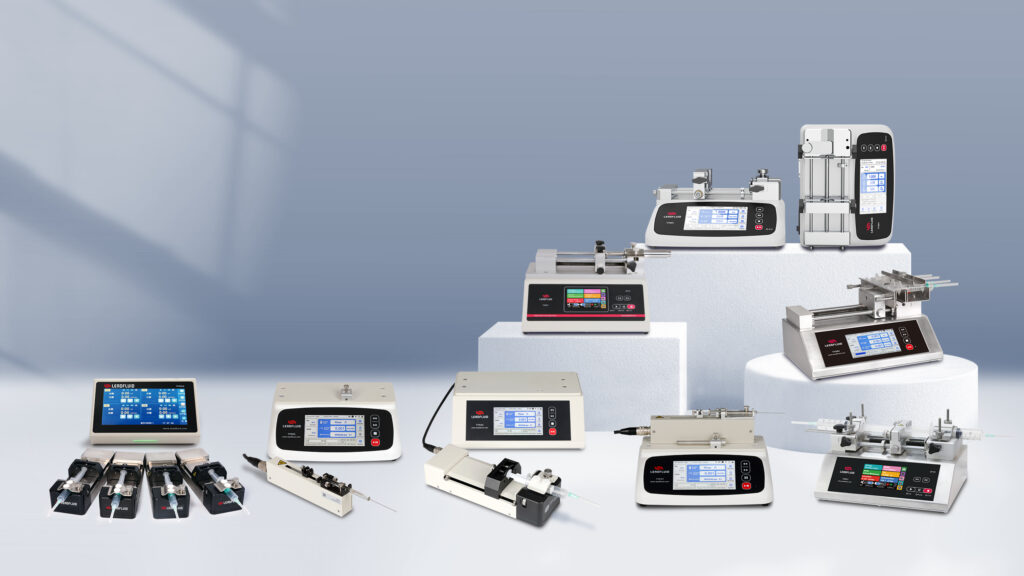
Additionally, in terms of operation and maintenance, peristaltic pumps feature a simple structure and easy tube replacement, though the tubing is a consumable and must be replaced frequently. Syringe pumps require little maintenance, but syringe specifications must match the pump, and replacement is less flexible than swapping tubing on a peristaltic pump.
In summary, both pump types have distinct advantages: peristaltic pumps emphasize durability, ease of maintenance, and medium‑to‑high flow delivery; syringe pumps emphasize precision, smooth operation, and micro‑volume control. In practical applications, users should select based on fluid characteristics, flow requirements, and operating habits to achieve optimal performance.
For more detailed information on how specific devices perform in various industries, users may refer to technical documents and case studies from manufacturers such as Lead Fluid.